

Homo-sapiens have wandered the surface of Earth for at least 150 millennia. They developed tools and evolved strategies for survival that outstripped competing species (like the Neandertals) for resources and overall resilience. One of homo-sapiens evolutionary advantages was cooperative communication. These ancient precursors coordinated their hunting and gathering efforts to achieve greater success. While interpersonal speech did not possess the nuance it does today, it did exist. The vocabulary, the ability to express concepts and refer to things, developed over centuries.
The primary goal of interaction at this stage of development is oriented in some way toward survival. The identification of necessities, tools, and threats. The first human parables were likely generational knowledge of things like making fire, creating tools, mechanisms for trapping and hunting. Part of nomadic human strategy was an evolved form of the same tactics used by animals. The tactic of scouting. Members of the roving clan would range ahead of the migration.
They would search for sources of food, water, and shelter. They also watched for things that posed potential threats to the group. These missions for information returned the tribe in the form of a report-a narrative. The scout would retell (narrate) what he/she saw in their quest to locate the essentials for survival, and the discovery of anything dangerous. These scouting recitations are the first "quest stories" or "hero journeys". Over time, scouting itself became more sophisticated, tracking, spore analysis, and other forms of survival intelligence.
These lessons, like other survival knowledge, passed generation to generation in parable form. Through generations, these stories grew more elaborate as the vocabulary for description increased. Inevitably, some of these stories stick out from others, and get retold and spread because of some amazing or inspiring event related by the scout. These "epics" essentially follow the core plots of literature we have today:
- Overcoming the monster -- The lucky scout who runs into a bear or other predator and escapes with his life or manages to defeat it.

- Rags to riches - The scout discovers some amazing resource (like the elk migrations in what is now northern Europe).
- Voyage and return - The extraordinary mission where the frontrunners get lost and go through extreme circumstances to return to the tribe.
- The Quest - The basic no frills scouting mission - returning with valuable survival intelligence.
- Comedy - Humor did exist, and hostile wildlife and terrain can create pratfalls that when related were cause for entertainment. The hunters thinking they've snuck up on the prey only to make a mistake and end up getting chased by an angry bull animal.
- Tragedy - It's a harsh world and members of scout teams did die.
- Rebirth - These were probably tales of sickness or severe injury (unconsciousness) where a scout was thought to be dead but wakes up. Naturally, with retelling, the storytellers change or embellish the stories to add to their entertainment value. It is during the evolution of "epics" that other kinds parables start becoming part of the library of oral tradition. These are "origin" or "explanation" tales. There is no doubt that humans witnessed every frightening phenomena our planet could dish up: volcanoes, tornadoes, meteor strikes, star flashes, lightning storms, forest fires, earth quakes, tsunamis, blood moons, hurricanes, hail, blizzards, rainbows and so on. Even today, some of these things scare us... and we have context. Imagine how frightening these events were to the ancients. Primitive society struggled with these fears. They needed to better understand these aspects in order to minimize the anxiety concerning these happenings. It required rationalization. There were so many questions. What makes the moon move from the sky? Where does the sun go at night? What are those lights in the night sky? So many unknowns and no source of knowledge or context to explain them. So, at some point some enterprising parent or chieftain made up the first epic fiction. They started anthropomorphizing some of these aspects of nature. They created gods and spirits. The supernatural. The epic scouting stories get altered and revised in the generations that follow. The hero journeys get embellished further and now include some of these "explanatory" fictions with other lore invented to create more cohesive and memorable stories.
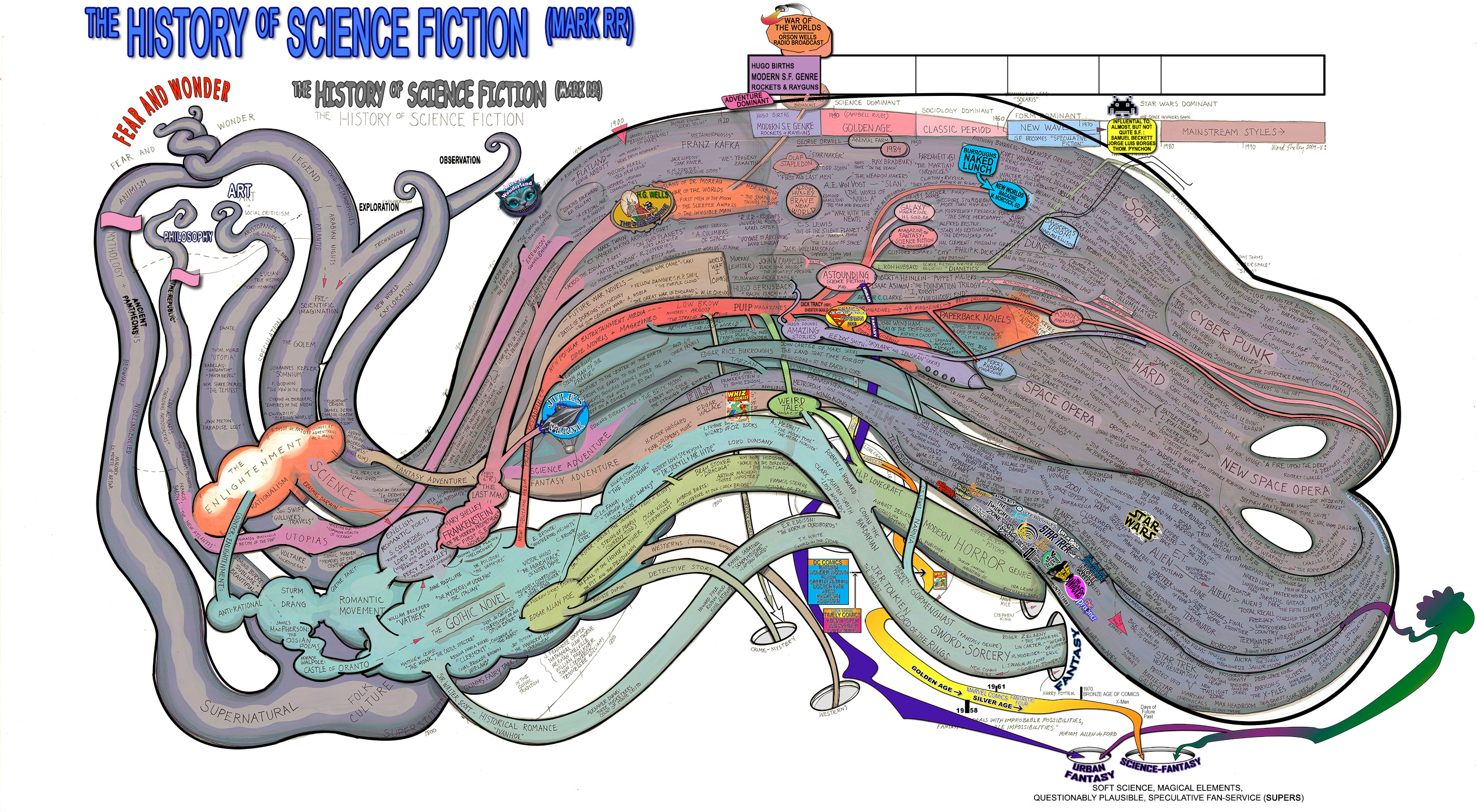
More generations pass, the gods get origin stories, they get families, and other "humanized" traits. This is the beginning of mythology and the hero journeys that would eventually exist in written form. Each roving tribe had their own versions of these stories. Story suites diverged and merged, as human groups migrated across the face of the planet. As culture evolved, and tribal locales stabilized with the advent of domestication and farming. Mythological pantheons took form.
The myths of people in the region. Around 5000 years ago, the first generalized writing system came into use (cuneiform). In that system of writing is the first recorded myth. Some time around 2600 BC, tales of Gilgamesh get written. These stories deify Gilgamesh of Uruk, incorporating aspects of regional mythology like the goddess Inanna and the Underworld. Gilgamesh has multiple adventures that include the defeat of the ogre Huwawa and the Bull of Heaven.
(Note: Heracles defeats a suspiciously similar monster - and in fact the two share enough common traits that they may burgeon from the same "epic" just embellished and regionally reimagined). It is also around this period the first monotheistic religion Zoroastrianism is speculated to come into practice in the region of Persia. Zoroaster is the prophet of this faith who spearheaded the worship of Ahura Mazda. This faith propagated the idea of a single god, and solidified the ideas of heaven, hell, and a day of judgement. It's speculated that this form of worship and its tenets influenced Judaism, Christianity, and Islam. The scriptures of the three big monotheistic religions all contain parables and anecdotes that are suspiciously similar to mythological stories documented millennia before.
Now, in the present day, the hero journeys remain with us as inspirations in creative media. We still feel a connection to these core stories of survival and "great deeds" committed in the service of the greater good.