

Some people struggle when it comes to characters. A lot of time is because they try to develop the character BEFORE the actual milieu and idea. If you've never tried to do both at the same time or played them off each other, read on, as it might introduce you to some new ideas concerning characters and their relationship with the story milieu. So, let's throw this consideration out first. A character without a story isn't worth much. It's an asset without a purpose.
On the other hand you can create a scenario without a character. It's like an obstacle course nobody has ever run before. You might not even know if it's doable, but it's something you can speculate about. For instance, you can imagine an evil empire trying to control the disparate republics with violent incursions of clone warriors and storm troopers all manipulated by a dark side force user demagogue. Everything about this milieu can be established in generalities before you get down in the weeds about who will solve this particular thorny problem and bring peace and prosperity back to the republic. Once you have the obstacle course and you have some sense of how difficult it is, you can imagine somebody that can do it.
An obstacle course that no-one can complete is kinda pointless. Continuing the analogy, if the obstacle course is your story and you've scaled the difficulties so that someone can actually finish. All you need is someone who can make it to the end. This is all in consideration that the course and it's physical and mental trials will transform a guy like this: Into a guy like this: So, this leads me to the a whole idea that characters are integral part of the world. Their strengths, weaknesses, desires and needs should be designed to make that obstacle course (your story)... as entertaining as possible. Part of that entertainment is the character's growth, how they learn and adapt to overcome.
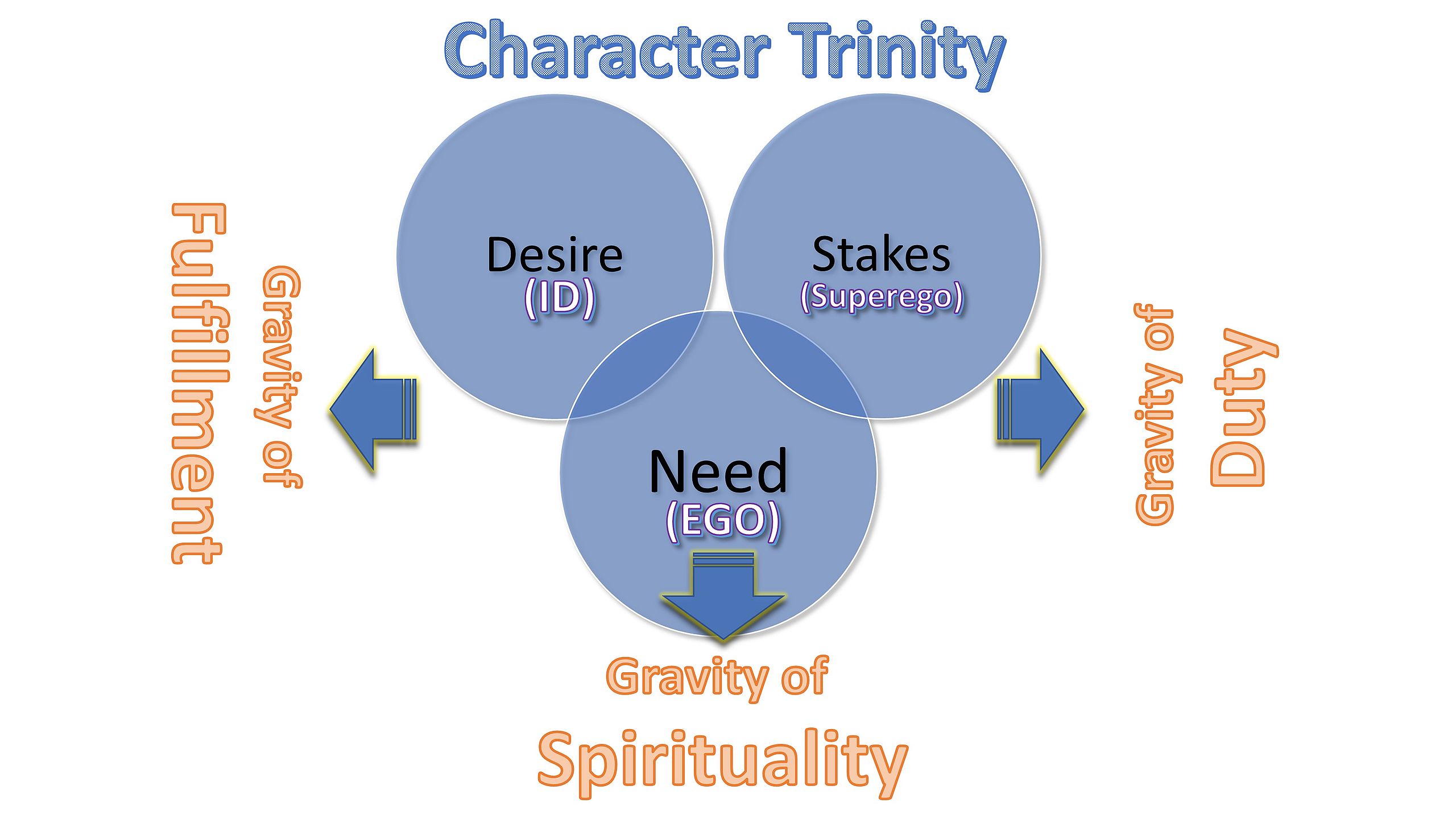
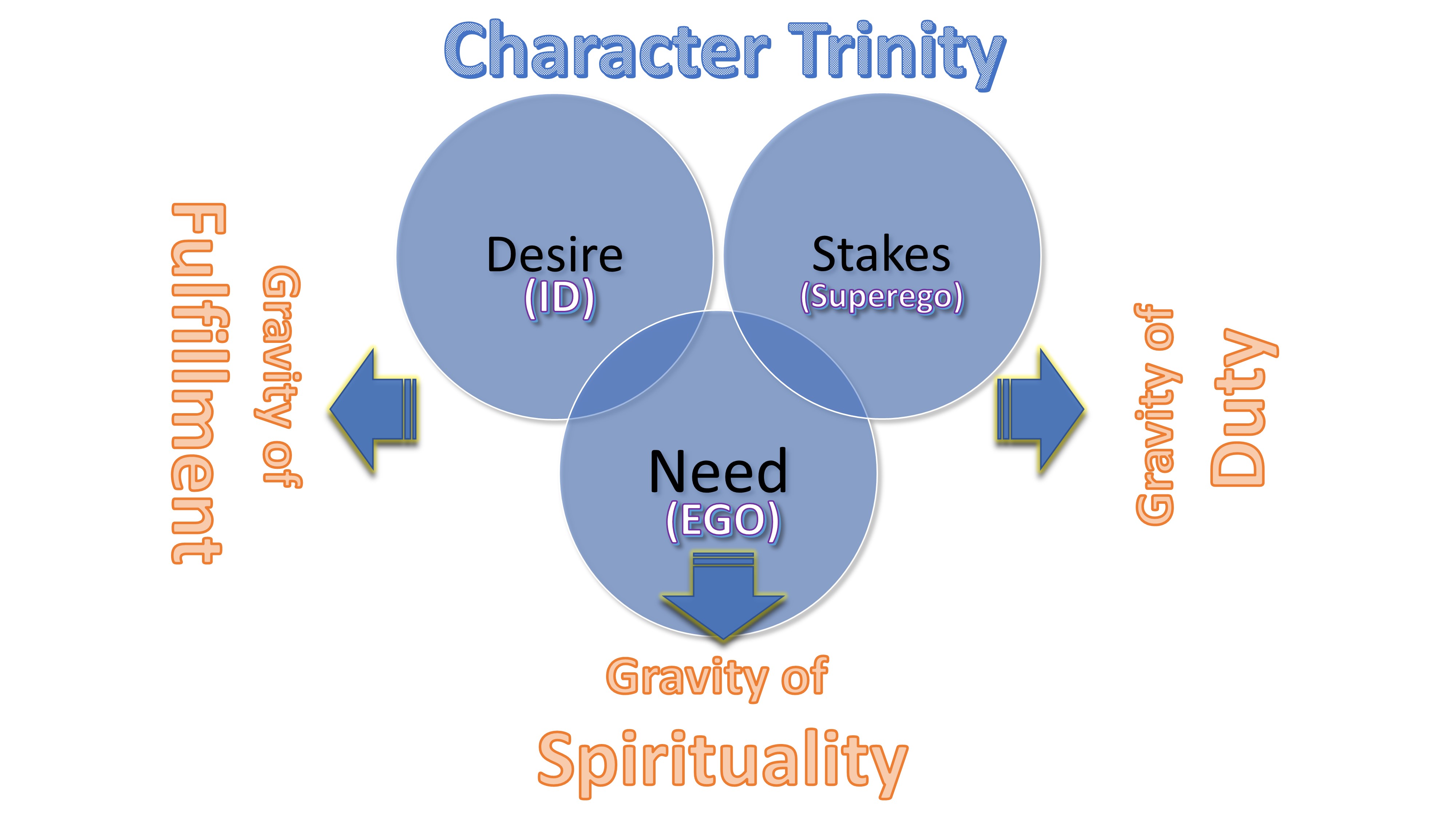
When you initially create the "person" who will challenge the gauntlet of your plot, your protagonist really only needs 4 things:
- A desire - something that is a driving goal in their life, something they will fight and struggle to accomplish.
- A secret need - this can be the same thing as the character's desire, but in stories with some kind of epiphany or self discovery... the protagonist eventually exchanges their desire for their need. In Star Wars, Luke's desire was to go to the academy and learn to fly.
He sympathized with the rebellion but wasn't motivated to join the cause. When his aunt and uncle are killed by the evil empire his desire for revenge pushes him toward his need, and that is to find purpose in social responsibility and becoming a user of the force. So, Luke's secret need was to become a Jedi.
- Stakes - this is what the protagonist cares about. Luke cared about his aunt and uncle. The empire killed them. This was his failure. When he is motivated by revenge, the new stakes become the freedom of the republic and rebel alliance. Now, the problem is the Death Star is coming to destroy the rebels. So, now they must destroy the weapon. If they fail, they lose. This win/lose consequence should be pervasive in the story and why it's so important that a character have something under threat to maintain tension in the narrative.
- A goal - initially the character will have some short term objective. However, when they come into contact with the story problem they will have a target to shoot for to resolve the conflict. The goal may change as the stakes in the story change... Luke's initial goal was linked to his desire to join the academy. His aunt and uncle die, and his goal changes to becoming a member of the rebel alliance. His milestone goals after that are rescuing the princess, and finally destroying the Death Star. Notice, we haven't said one word about character back story, gender, appearance, or anything. That's because these things are window dressing. In a car, the body and the drive train and everything else is useless without the engine.
Those 4 elements are the engine in a character linking them to the story and pushing them toward the solution. So, what ABOUT those surface details? Are they important? OF COURSE. This comes back again to the world. Your character should have history, weaknesses, strengths, and FEARS. Knowing who they are and how they will react is how you will write the scenes. That brings us to what kind of person the character is. The fastest way to model a character is to archetype them. Here's your quick reference to archetypes:
This should give you a fair idea of the character spectrum. Also, remember the character will also be shaped by the people surrounding them... their supporters, rivals, colleagues and so on. Those people will be also be defined by one of these base archetypes and fall into one of these thumbnail roles: So, we should at this point have some idea of the character who will challenge the obstacle course. They've been developed so as to be able to reach the end. Their reaching it might be under their own power, through growth and change, they may be helped along by allies and rivals that shaped them. This brings us finally to what this all culminates to.
This beast in the diagram below. This is the model of the obstacle course your character is meant to navigate. Characters and story, can not, and should not be considered separately... because the story IS how your character copes with the obstacle course. So you need both for a complete picture. Hope this brings some characters and stories into focus for the writers out there. May the muse be with you.